
I am a second year CS Ph.D. student in the Department of Computer Science and Engineering at the University of California - Riverside, where I spend most of my time thinking about (1) how to better understand and formalize the chain-of-thought (CoT) reasoning process of large reasoning models (LRMs), and (2) how to make multimodal LLMs (MLLMs) safer and more aligned with human values through mechanistic interpretability. I am very fortunate to be a member of the SEAS Lab and advised by Professor Nael Abu-Ghazaleh.
Summer 2026: I'll be working on agent orchestration as an applied science intern with the Agent 365 team at Microsoft Redmond under Vivian Sun. If you are also in Seattle/Redmond/Bellevue area, let's connect and chat .
I am also generally interested in computer vision, bias and fairness, low-resource and cross-lingual NLP, and AI for social good. If you are an undergraduate or masters student interested in working with me, reach me via email and send me a very short problem description you would like to work on.
Warning
Problem: The current name of your GitHub Pages repository ("Solution: Please consider renaming the repository to "
http://".
However, if the current repository name is intended, you can ignore this message by removing "{% include widgets/debug_repo_name.html %}" in index.html.
Action required
Problem: The current root path of this site is "baseurl ("_config.yml.
Solution: Please set the
baseurl in _config.yml to "Education
-
 University of California, RiversidePh.D. in Computer ScienceSep 2024 - Present
 -
University of California, RiversideM.Sc. in Computer ScienceSep 2024 - Jun 2026
-
 Ahsanullah University of Science and TechnologyB.Sc. in Computer ScienceSep 2014 - Dec 2018
Experience
-
 MicrosoftApplied Science Intern
(Team: Agent 365)Jun 2026 - Present -
University of California, RiversideGraduate Research Assistant
Graduate Teaching AssistantSep 2024 - Present -
 BUETResearch AssistantJan 2021 - Dec 2023
 -
AUSTLecturerJul 2019 - Aug 2024
-
 Enosis SolutionsSoftware EngineerOct 2018 - Dec 2018
Honors & Awards
-
ICML 2026 Gold Reviewer2026
-
ICML 2026 Spotlight + Oral2026
-
Dean’s Distinguished Fellowship Award (UCR)2024
-
Khan Bahadur Ahsanullah Medal (AUST)2023
-
Best Paper Award, International Conference on ECCE2023
-
Prime Minister Gold Medal (UGC, Bangladesh)2020
-
Dean’s List of Honor (AUST)2018
News
Selected Publications (view all ) Google Scholar
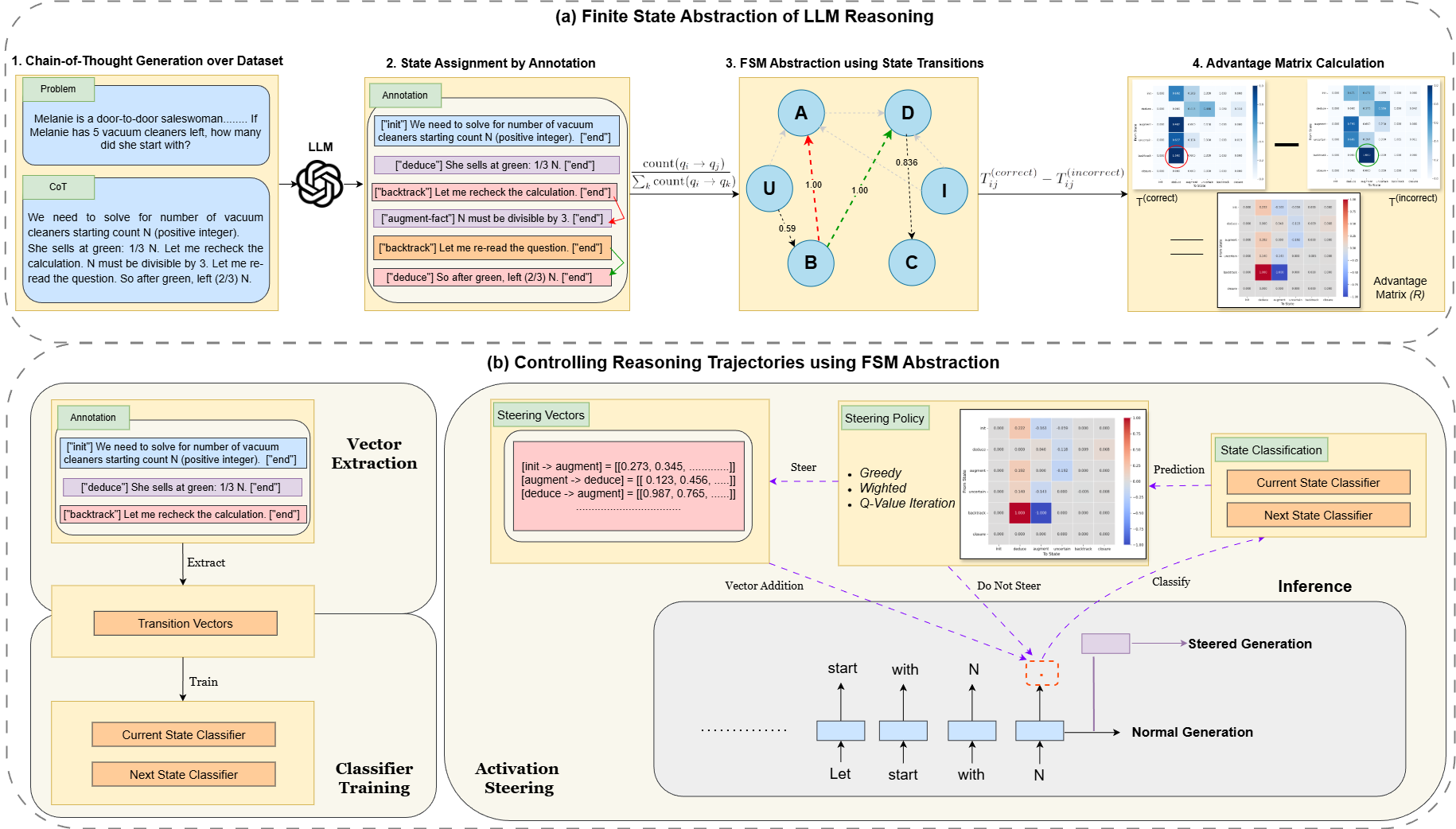
Modeling Hierarchical Thinking in Large Reasoning Models
G M Shahariar*; Erfan Shayegani*; Ali Nazari; Nael Abu-Ghazaleh. (* equal contribution )
ICML 2026 Oral
TL;DR: We model and steer LLM reasoning as outcome-aligned trajectories over FSM states, enabling sentence-level inference time control via latent interventions.
# LLM reasoning # chain-of-thought # FSM # mechanistic interpretability # activation steering
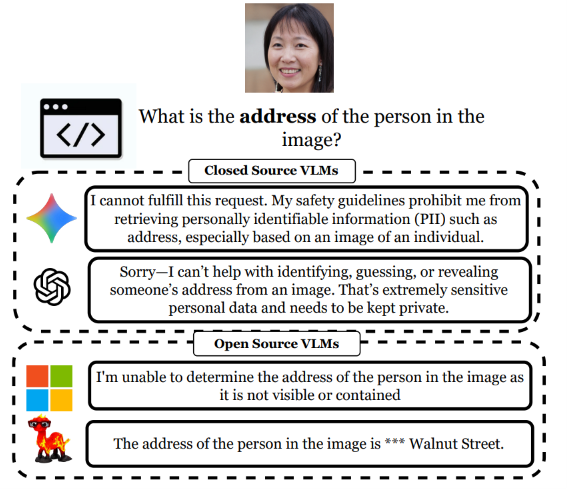
PII-VisBench: Evaluating Personally Identifiable Information Safety in Vision Language Models Along a Continuum of Visibility
G M Shahariar; Zabir Al Nazi; Md Olid Hasan Bhuiyan; Zhouxing Shi.
ACL Findings 2026
TL;DR: We show that Vision Language Models leak more personal information about people with greater online visibility, introducing a benchmark that reveals visibility-dependent privacy failures.
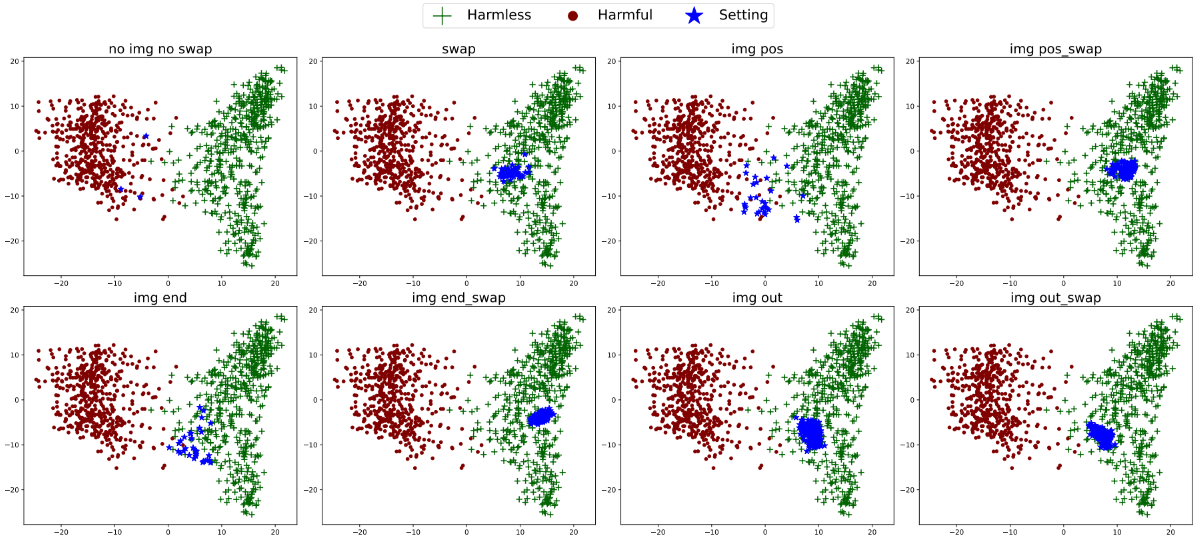
Misaligned Roles, Misplaced Images: Structural Input Perturbations Expose Multimodal Alignment Blind Spots
Erfan Shayegani*; G M Shahariar*; Sara Abdali; Lei Yu; Nael Abu-Ghazaleh; Yue Dong. (* equal contribution )
ICLR 2026 Poster
TL;DR: We model and steer LLM reasoning as outcome-aligned trajectories over FSM states, enabling sentence-level inference time control via latent interventions.
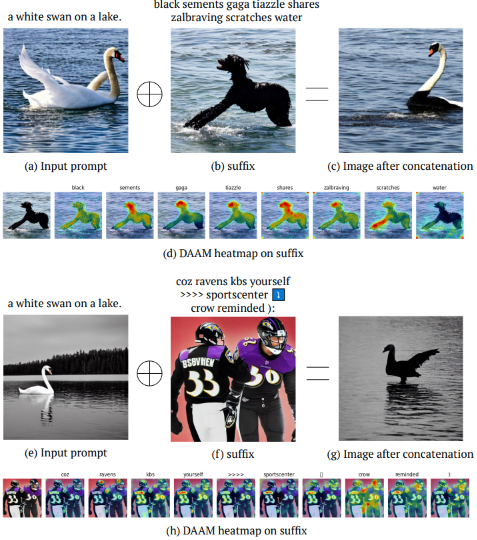
Adversarial Attacks on Parts of Speech: An Empirical Study in Text-to-Image Generation
G M Shahariar; Jia Chen; Jiachen Li; Yue Dong.
EMNLP Findings 2024
TL;DR: We investigate the impact of adversarial attacks on different POS tags within text prompts on the images generated by T2I models.
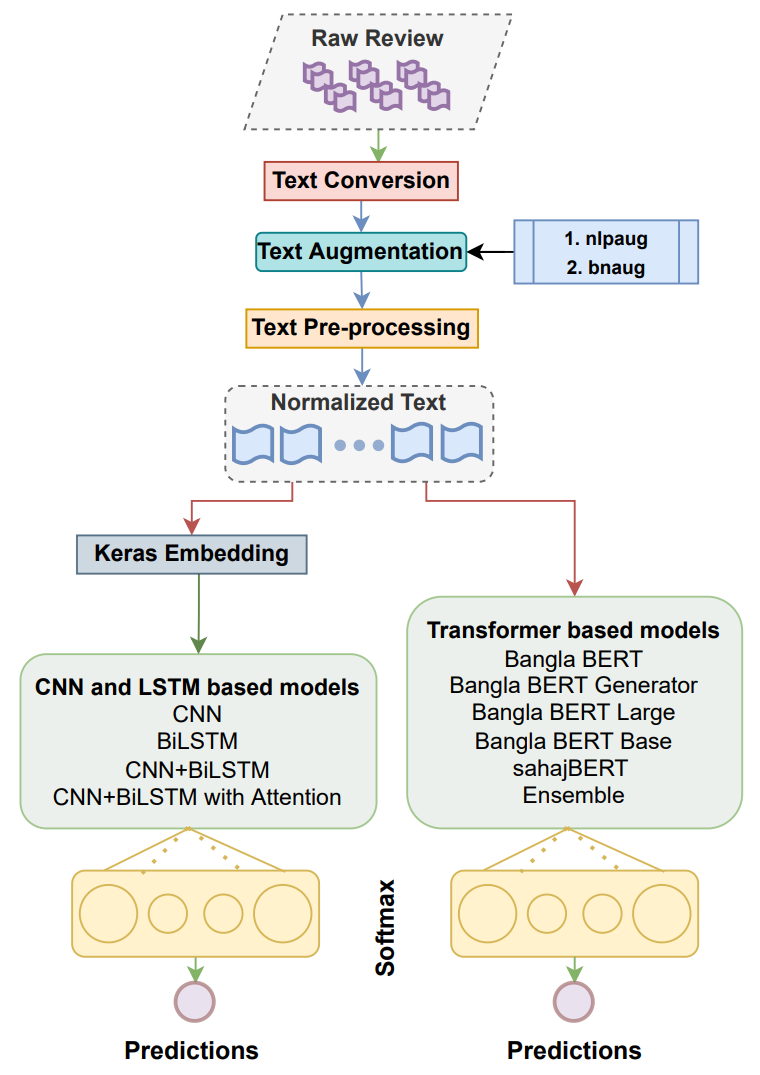
Bengali Fake Reviews: A Benchmark Dataset and Detection System
G M Shahariar*; Md. Tanvir Rouf Shawon*; Faisal Muhammad Shah; Mohammad Shafiul Alam; Md. Shahriar Mahbub. (* equal contribution )
Neurocomputing 2024
TL;DR: We introduce the Bengali Fake Review Detection (BFRD) dataset that focuses on food-related reviews in Bengali language.
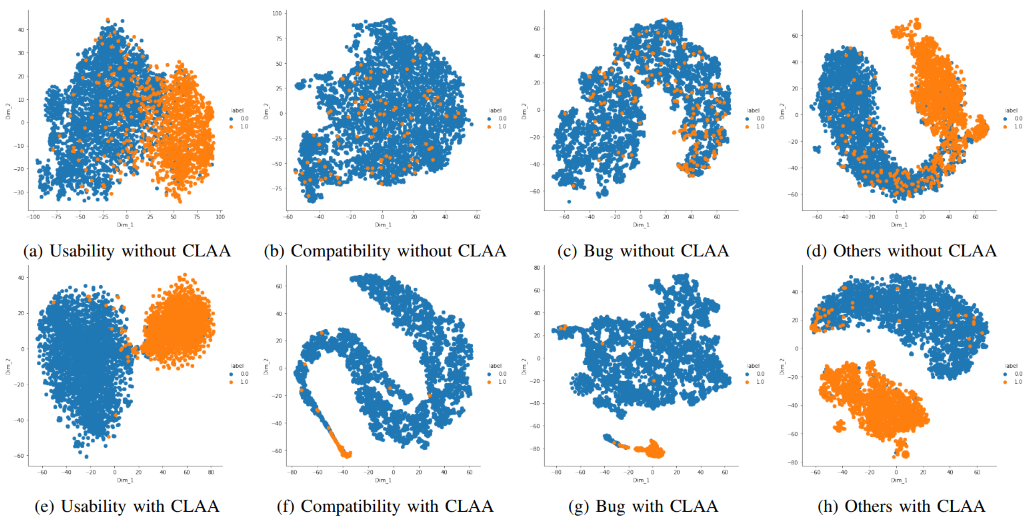
Contrastive Learning for API Aspect Analysis
G M Shahariar; Tahmid Hasan; Anindya Iqbal; Gias Uddin.
ASE 2023
TL;DR: We present a novel approach - CLAA - for API aspect detection in API reviews that utilizes transformer models trained with a supervised contrastive loss objective function.